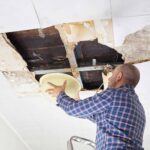
Your roof protects everything beneath it, but it is easy to overlook until a leak appears. By then, a small opening, loose flashing, blocked drain, or damaged seam may already have caused expensive interior damage.
A professional roof maintenance plan replaces that reactive cycle with scheduled inspections, documented conditions, and timely repairs. It gives homeowners, property managers, facility teams, and building owners a clearer picture of roof performance before minor concerns become disruptive emergencies.
What Is a Roof Maintenance Plan?
A roof maintenance plan is a scheduled program for inspecting, documenting, cleaning, and maintaining a roofing system. Instead of waiting for visible damage or water intrusion, a qualified roofing professional evaluates vulnerable areas at regular intervals and recommends corrective work based on the roof’s actual condition.
Plans can be tailored to the property and roof system. A home may benefit from seasonal inspections and gutter maintenance, while a commercial or multifamily property may require biannual or quarterly service, detailed photo reporting, debris removal, drainage checks, and minor repairs. The goal is the same: protect the roofing system as a long-term asset.
The National Roofing Contractors Association notes that inspections in the spring and fall can uncover issues such as loose seams, deteriorated flashing, damaged materials, and drainage concerns before serious damage occurs.
Reactive Repairs vs. Proactive Roof Care
The biggest difference is timing. Reactive service begins after a problem becomes visible. Proactive maintenance creates scheduled opportunities to find, document, and address developing conditions sooner.
| Area | Reactive Approach | Proactive Approach |
|---|---|---|
| Timing | Work begins after a leak or failure is noticed. | Inspections occur on a planned seasonal or quarterly schedule. |
| Budgeting | Costs arrive unexpectedly and may require urgent approval. | Reports help owners prioritize repairs and plan future spending. |
| Documentation | Roof history may be incomplete or limited to emergency invoices. | Dated photos and reports track conditions and completed work. |
| Property Impact | Leaks may interrupt tenants, operations, or interior spaces. | Early action can reduce preventable damage and disruption. |
How Proactive Roof Maintenance Protects Your Property
Catch Small Roofing Issues Early
A minor puncture, lifted edge, loose fastener, cracked sealant, or deteriorating flashing may not cause an immediate leak. Left exposed to wind and rain, however, that small defect can spread into the insulation, decking, walls, or occupied space below. Scheduled inspections create opportunities to identify and address these conditions while repairs are still manageable.
Help Extend the Service Life of Your Roof
Every roofing system is affected by weather, temperature changes, standing debris, foot traffic, and normal aging. Preventative roof maintenance helps reduce avoidable wear by keeping drainage paths open, correcting minor defects, and monitoring areas that commonly fail. Consistent care can help the system perform as intended for longer and postpone premature replacement.
Reduce the Risk of Costly Emergency Repairs
Emergency roofing work often arrives with additional costs: interior cleanup, damaged inventory, displaced occupants, interrupted operations, and rushed repair decisions. GAF reports that emergency repairs may cost roughly three to nine times more than scheduled preventive repairs. A proactive plan cannot prevent every storm or unexpected event, but it can reduce avoidable emergencies by addressing known vulnerabilities first.
Create a Clear Record of Roof Conditions
Photo reports and written observations create a useful history of the roof. Property owners can see what was inspected, which repairs were completed, and whether a condition is stable or changing. This documentation supports better communication with facility teams, ownership groups, contractors, and other decision-makers.
Support Manufacturer Warranty Requirements
Some roofing warranties require routine inspections, maintenance records, or prompt repairs to remain in good standing. A structured roof inspection program helps owners document that the system has received appropriate care. Warranty terms vary, so always review the specific requirements for your roof and keep copies of inspection and repair records.
Make Roofing Costs Easier to Plan
Reactive repairs force owners to make decisions under pressure. Regular inspections provide earlier visibility into aging components and developing needs, making it easier to prioritize work and plan capital budgets. Instead of being surprised by a major failure, you can separate immediate repairs from items that should be monitored or scheduled for a future cycle.
Protect the Property Through Every Season
Colorado hail and temperature swings, Florida heat and heavy rain, and Illinois snow and freeze-thaw cycles place different demands on roofing systems. A maintenance schedule built around the local climate helps prepare the roof before severe weather and assess it afterward. That year-round awareness provides greater confidence that the property is ready for the next season.
What Should a Professional Roof Maintenance Plan Include?
The exact scope should match the roof type, age, condition, warranty, location, and building use. For commercial and multifamily properties, a comprehensive plan commonly includes:
- Biannual or quarterly professional inspections
- Checks for active leaks and signs of moisture
- Membrane, shingle, panel, or surface evaluation
- Inspection of seams, flashings, curbs, and edges
- Review of penetrations, vents, and rooftop equipment
- Drain, gutter, scupper, and downspout checks
- Removal of leaves, branches, and loose debris
- Minor repairs when included in the service agreement
- Dated photos and a written condition report
- Recommendations for larger or future repairs
Vertical Roofing’s Roof Maintenance Plans offer biannual or quarterly inspection options, debris removal, minor repairs, and detailed photo documentation. Plans are tailored to help commercial and multifamily owners stay informed, maintain their roof systems, and respond to concerns before they escalate.
When Should You Schedule Roof Maintenance?
Spring and fall are practical times for routine inspections because they allow a contractor to evaluate the roof after one demanding season and prepare it for the next. Properties in storm-prone areas may benefit from additional service before severe weather season begins.
You should also request an inspection after:
- A hailstorm, hurricane, high-wind event, or heavy snow
- A new leak, ceiling stain, or unexplained interior moisture
- HVAC, solar, plumbing, or other rooftop work
- Falling branches or debris impact
- A change in building ownership or property management
- A long period without documented professional maintenance
If you are unsure about the roof’s current condition, begin with a professional assessment. Vertical Roofing offers a complimentary 40-point roof inspection for residential, commercial, and multifamily properties.
Why Choose Vertical Roofing?
Vertical Roofing provides residential, commercial, and multifamily roofing services across Colorado, Florida, and Illinois. As a GAF Master Elite® Contractor and NRCA member, our team combines certified expertise with clear communication, detailed inspections, preventative maintenance, repairs, and long-term roofing solutions.
For commercial properties, our team understands that roof performance affects more than the building exterior. Water intrusion can disrupt tenants, operations, inventory, and budgets. Our commercial roofing specialists help property owners and managers make informed decisions with transparent reporting and practical recommendations.
Roof Maintenance Plan FAQs
How often should a roof be professionally inspected?
Twice-yearly inspections, typically in spring and fall, are a strong baseline for many properties. Commercial buildings, older roofs, storm-prone locations, or systems with specific warranty requirements may benefit from quarterly inspections or additional post-storm evaluations.
Is a roof maintenance plan only for commercial buildings?
No. Homes also benefit from routine inspections, gutter and drainage maintenance, and early repairs. Commercial and multifamily properties generally use more structured plans because their roofing systems, documentation needs, and operational risks are more complex.
Does roof maintenance prevent every leak?
No maintenance program can eliminate every risk. Severe storms, falling debris, hidden defects, and unexpected damage can still cause leaks. Regular maintenance lowers preventable risk and helps identify concerns sooner.
Are repairs included in a roof maintenance plan?
That depends on the agreement. Some plans include defined minor repairs during scheduled inspections, while larger repairs are documented and quoted separately. Review the scope so you understand what is included before service begins.
Can maintenance help protect a roof warranty?
Routine inspections and records may help satisfy maintenance requirements stated in certain manufacturer warranties. Requirements vary by product and warranty, so follow the specific terms for your roofing system.
Is Your Roof on a Maintenance Plan?
Do not wait for a leak to reveal a problem. Schedule a complimentary 40-point inspection with Vertical Roofing and get a clearer picture of your roof’s condition.