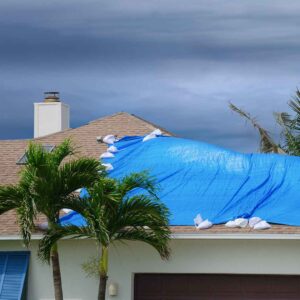
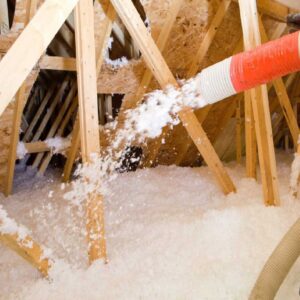
Roof flashing damage is one of the most common causes of roof leaks, but it can be easy to overlook. Flashing is installed around chimneys, vents, skylights, roof valleys, and other areas where water is more likely to enter. When it becomes loose, cracked, rusted, or improperly sealed, even a small opening can allow moisture beneath your roofing materials.
Catching flashing problems early can help homeowners avoid interior leaks, damaged insulation, mold growth, and costly structural repairs. Here are seven warning signs that your roof flashing may need professional attention.
What Is Roof Flashing?
Roof flashing is a thin protective material, usually made from metal, that directs water away from vulnerable areas of your roof.
Common flashing locations include:
- Chimneys
- Plumbing vents
- Skylights
- Roof valleys
- Dormers
- Exterior walls
- Roof edges
- Heating and cooling equipment
Although flashing is designed to withstand rain, wind, heat, and temperature changes, it can deteriorate over time. Storm damage, improper installation, aging sealant, and normal roof movement can all contribute to roof flashing damage.
1. Water Stains on Ceilings or Walls
Water stains are one of the clearest signs that moisture may be entering your home. They often appear as yellow, brown, or dark patches on ceilings and walls.
If the stain is near a chimney, skylight, vent, or exterior wall, damaged flashing could be the source. Water can enter through a small opening and travel along roof decking or framing before becoming visible inside your home.
Do not assume a small stain means a small problem. Moisture may already be affecting insulation, drywall, or wood beneath the surface.
2. Loose, Bent, or Missing Flashing
Visible flashing should sit securely against the roof and surrounding structure. Sections that appear bent, lifted, separated, or missing may no longer direct water properly.
Strong winds and storms can loosen flashing, while repeated exposure to heat can cause roofing materials to expand and contract. Over time, this movement may pull flashing away from the surface.
Because climbing onto a roof can be dangerous, homeowners should inspect visible areas from the ground and schedule a professional inspection when something looks out of place.
3. Rust or Corrosion
Metal flashing can rust or corrode after years of exposure to moisture. Small rust spots may eventually develop into holes that allow water beneath the roof.
Corrosion is especially important to watch for around:
- Chimneys
- Roof valleys
- Gutters
- Vent pipes
- Areas where water tends to collect
Rust streaks, discoloration, or flaking metal may indicate that the flashing is beginning to fail. Replacing damaged sections early can help prevent a larger leak.
4. Cracked or Deteriorating Sealant
Roofing sealant is commonly used around flashing, vents, skylights, and other roof penetrations. However, sealant does not last forever.
Summer heat, ultraviolet exposure, heavy rain, and temperature changes can cause it to dry out, crack, shrink, or separate from the roofing material. Once the seal is broken, water can enter around the flashing.
Applying more sealant over the damaged area may provide only a temporary solution. A roofing professional should determine whether the flashing itself needs to be repaired or replaced.
5. Shingles Lifting Near Roof Penetrations
Shingles around chimneys, vents, skylights, and walls should lie flat and appear properly secured. Shingles that are lifting, curling, or separating near these areas may point to a flashing problem underneath.
Water can enter beneath lifted shingles and become trapped against the roof deck. Over time, this can cause wood rot, damaged underlayment, and recurring leaks.
Lifted shingles may also be caused by wind damage or aging roofing materials, so the entire area should be inspected rather than treating only the visible symptom.
6. Leaks That Appear During Heavy Rain
Some flashing problems do not cause a constant leak. Water may only enter during heavy rain, wind-driven storms, or when rain hits the roof from a particular direction.
This can make the source difficult to locate. The visible drip inside your home may be several feet away from the actual point where water entered.
Recurring leaks during storms should not be ignored. Even when the area dries afterward, repeated moisture exposure can weaken roofing materials and damage the interior of your home.
7. Moisture or Musty Odors in the Attic
Not every roof leak reaches the living area immediately. In many cases, the first signs appear in the attic.
Look for:
- Damp insulation
- Dark spots on roof decking
- Water marks on rafters
- Mold or mildew
- Musty odors
- Peeling or bubbling surfaces
Moisture near a chimney, vent, skylight, or roof valley may indicate roof flashing damage. An attic inspection can help identify problems before they reach ceilings and walls below.
What Causes Roof Flashing Damage?
Roof flashing can fail for several reasons, including:
- Normal aging
- Improper installation
- Severe wind or hail
- Heavy rain
- Rust and corrosion
- Cracked roofing sealant
- Shifting roofing materials
- Previous repairs that were not completed correctly
Florida homes may experience flashing problems from heavy rain, hurricanes, humidity, and intense sun exposure. Colorado homes may face damage from hail, snow, wind, and frequent temperature changes.
Regular roof inspections can help identify these issues before they become major repairs.
Can Damaged Roof Flashing Be Repaired?
The right repair depends on the extent and location of the damage. A roofing professional may be able to reseal or secure flashing that is still in good condition.
Flashing may need to be replaced when it is:
- Heavily rusted
- Cracked or punctured
- Missing
- Incorrectly installed
- Separated from the roof
- Surrounded by damaged roofing materials
A complete inspection is important because replacing the flashing alone may not solve the problem if water has already damaged the shingles, underlayment, decking, or insulation.
Why Early Repairs Matter
Roof flashing covers relatively small areas, but it protects some of the most vulnerable sections of your roofing system.
Leaving damaged flashing untreated can lead to:
- Recurring roof leaks
- Wet insulation
- Mold growth
- Damaged ceilings and drywall
- Rotted roof decking
- Structural deterioration
- More expensive repairs
Addressing the problem early can help protect your roof and reduce the risk of water damage throughout your home.
Schedule a Roof Inspection With Vertical Roofing
Roof flashing damage is not always easy to spot from the ground. If you notice water stains, damaged sealant, rusted metal, lifted shingles, or leaks during heavy rain, it may be time for a professional inspection.
Vertical Roofing provides detailed roof inspections for homeowners in Colorado and Florida. Our team can assess your flashing, shingles, roof penetrations, and other vulnerable areas to identify potential problems and recommend the appropriate next steps.
Do not wait for a small opening to become a major leak.
Schedule your roof inspection with Vertical Roofing today.
Colorado: (303) 484-9854
Florida: (239) 596-3509