Spring storm roof preparation is one of the most important steps homeowners can take to protect their property before heavy rain, strong winds, and sudden weather changes arrive. After months of colder weather, many roofs already have hidden wear and tear that can quickly turn into serious damage during spring storms.
The challenge is that most roofing problems are not obvious until water starts leaking inside the home. That’s why early preparation is key.
Why Spring Storm Roof Preparation Matters
Spring storms are unpredictable. One day can be calm and sunny, and the next can bring heavy rainfall and gusty winds. These rapid changes put stress on roofing materials, especially older or already weakened roofs.
Without proper spring storm roof preparation, small issues like loose shingles or clogged gutters can escalate into costly repairs. Water intrusion can damage insulation, ceilings, walls, and even the structural integrity of your home if ignored.
5 Warning Signs Your Roof May NOT Be Ready
Before storm season intensifies, here are the most important warning signs to look for:
1. Missing or Damaged Shingles
Shingles act as your roof’s first layer of defense. If they are cracked, curled, or missing, your home is vulnerable to water leaks during heavy rain.
2. Granules in Gutters
If you see sand-like particles collecting in your gutters, it may mean your shingles are deteriorating and losing their protective layer.
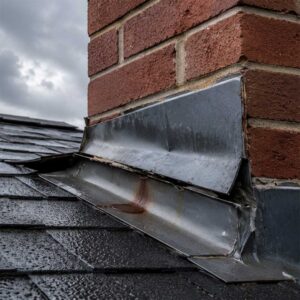
3. Loose or Damaged Flashing
Flashing seals vulnerable areas like chimneys, skylights, and vents. When damaged, it becomes one of the most common entry points for leaks.
4. Clogged or Overflowing Gutters
Proper drainage is critical. If gutters are blocked, rainwater can back up and seep under your roofing system.
5. Interior Water Stains
Brown spots on ceilings or walls often indicate that water has already entered your home through the roof.
How to Prepare Your Roof for Spring Storms
Proper spring storm roof preparation doesn’t always require major repairs. In many cases, simple maintenance steps can make a huge difference:
- Inspect your roof from the ground for visible damage
- Clean out gutters and downspouts to ensure proper drainage
- Trim tree branches that hang over your roof
- Check your attic for leaks, moisture, or sunlight gaps
- Schedule a professional roof inspection for a full assessment
These preventive steps help ensure your roof can handle heavy rainfall and strong winds without failing when you need it most.
The Risk of Waiting Too Long
Delaying spring storm roof preparation can lead to expensive consequences. A small leak can spread quickly, damaging insulation and interior structures. In severe cases, water damage can require partial roof replacement instead of simple repairs.
Storm-related roof damage also tends to worsen over time. What starts as a loose shingle can become a major leak during just one heavy storm.
Final Thoughts
Spring storm roof preparation is not just about maintenance—it’s about protecting your home before problems start. By identifying early warning signs and taking proactive steps, you can significantly reduce the risk of costly storm damage.
If you’ve noticed any of the warning signs above or haven’t had your roof inspected recently, now is the best time to act.
Your roof is your home’s first line of defense—make sure it’s ready before the next storm arrives.