Heavy rain is a fact of life in Tampa, especially during Florida’s storm season. Although your roof is designed to withstand the elements, repeated downpours can expose damaged shingles, deteriorated flashing, clogged drainage areas, and other vulnerable parts of the roofing system.
A roof leak may begin as a small ceiling stain or occasional drip, but it can quickly lead to wet insulation, mold growth, damaged drywall, and costly interior repairs.
Recognizing the warning signs early can help you address the problem before the damage spreads.
Why Heavy Rain Can Cause Roof Leaks
Roof leaks do not always begin during a hurricane or severe storm. Several hours of steady rain may be enough to reveal an existing weakness in your roofing system.
Common causes of roof leaks include:
- Missing, cracked, or lifted shingles
- Damaged flashing around vents, chimneys, and roof penetrations
- Worn or deteriorated sealants
- Clogged gutters and drainage areas
- Improperly installed roofing materials
- Damage caused by wind or falling debris
- Aging roofing systems
Once water enters the roof, it may travel beneath the shingles, underlayment, or roof decking before appearing inside your home. As a result, the visible water stain may not be directly below the source of the leak.
7 Signs You May Need Roof Leak Repair in Tampa
After a period of heavy rain, watch for these common warning signs.
1. Ceiling Stains or Discoloration
Brown, yellow, or dark stains on the ceiling often indicate water intrusion. Even when the area feels dry, the stain may be evidence of an active or recurring roof leak.
Pay attention to stains that grow, darken, or return after each storm.
2. Dripping Water or Damp Areas
Active dripping is an obvious sign of a leak, but water intrusion can also appear as damp spots around ceilings, walls, windows, or light fixtures.
Water near electrical outlets or fixtures should be taken seriously. Avoid touching the affected area and contact a qualified professional.
3. Bubbling or Peeling Paint
Moisture trapped behind drywall can cause paint to bubble, crack, or peel. You may also notice warped drywall, sagging ceiling materials, or soft areas along the walls.
These symptoms may indicate that water has already spread beyond the original entry point.
4. Missing or Damaged Shingles
Heavy rain and strong winds can loosen, crack, lift, or remove shingles. Once shingles are damaged, the materials beneath them become more vulnerable to water intrusion.
Shingle granules collecting in gutters or near downspouts may also indicate roof wear or storm-related damage.
5. Mold or Musty Odors
A persistent musty smell may indicate hidden moisture inside the attic, walls, or insulation. Mold and mildew can develop in damp areas that are difficult to see.
Unusual odors should not be ignored, especially when they appear after periods of heavy rain.
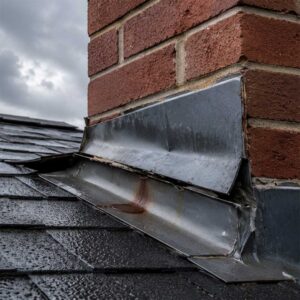
6. Loose or Damaged Flashing
Flashing protects vulnerable areas around chimneys, vents, skylights, roof valleys, and other transitions.
If flashing becomes loose, rusted, cracked, or separated from the roofing materials, water may enter during heavy rain.
7. Water or Damp Insulation in the Attic
After a storm, check your attic for wet insulation, water stains, damp wood, or visible dripping. Use a flashlight to inspect the roof decking, vents, and other penetrations from a safe location.
Do not enter areas where the structure or electrical components may have been affected.
Why You Should Address a Roof Leak Quickly
A roof leak rarely repairs itself. Delaying an inspection can allow moisture to spread farther into the home and increase the cost of the eventual repairs.
An untreated roof leak may contribute to:
- Damaged ceilings and drywall
- Wet or ineffective insulation
- Mold and mildew growth
- Wood rot
- Electrical hazards
- Structural deterioration
- More extensive roof repairs
Prompt roof leak repair can help contain the damage and protect more of your existing roofing system.
What to Do When You Discover a Roof Leak
Taking a few careful steps can help limit additional damage while you arrange professional assistance.
Contain the Water
Place buckets, towels, or waterproof containers beneath active drips. Move furniture, electronics, and valuables away from the affected area.
Do not puncture a ceiling bulge or attempt to open the damaged area unless directed by a qualified professional.
Document the Damage
Take clear photos and videos of ceiling stains, dripping water, damaged belongings, and visible exterior damage.
This documentation may be helpful when reviewing your insurance coverage or filing a storm damage claim.
Stay Off the Roof
Do not climb onto a wet or storm-damaged roof. Roofing surfaces can be extremely slippery, and damaged sections may not be structurally safe.
A ground-level visual inspection is safer until a roofing professional can evaluate the property.
Schedule a Professional Roof Inspection
A roofing professional can locate the source of the leak, evaluate the surrounding materials, and determine whether your roof requires a targeted repair or more extensive work.
Roof Leak and Storm Response Services
Depending on the condition of your roof, storm response services may include:
- Roof leak inspections
- Emergency tarping or dry-in services
- Storm damage assessments
- Shingle replacement
- Flashing and sealant repairs
- Roof repair or replacement
- Insurance claim documentation support
The appropriate solution will depend on the source of the leak, the age of the roof, and the extent of the damage.
Why a Professional Roof Inspection Matters
Not all storm damage is visible from the ground. Water may enter through a small opening and travel beneath roofing materials before appearing inside the home.
A professional inspection can help locate the source of the leak and identify related damage that might otherwise go unnoticed. It can also help prevent unnecessary work by focusing repairs on the actual cause of the problem.
How Vertical Roofing Co Can Help
If heavy rain has exposed a roof leak, Vertical Roofing Co is ready to help.
Our team can inspect your roofing system, locate the source of the water intrusion, and explain the appropriate next steps. Whether your home needs emergency protection, a focused roof repair, or a complete roof replacement, we will help you understand your options and protect your property from further damage.
Contact Vertical Roofing Co today to schedule a professional roof inspection in Tampa.fessional roof inspection. damage and save you money in the long run.