Denver homeowners know spring weather can be unpredictable, but this May has been a strong reminder of just how quickly conditions can change along the Front Range. One day can bring freezing temperatures, snow, and icy conditions. A few days later, temperatures can climb back into the 70s or 80s.
That kind of weather swing is not just uncomfortable. It can also put real stress on your roof, especially if your roof is older, already worn, or has small problem areas that have gone unnoticed.
When temperatures move from freezing to warm in a short period of time, roofing materials expand and contract. Snow and ice can melt quickly, then refreeze overnight. Moisture can work its way into small cracks, gaps, or loose areas. Over time, these small issues can lead to leaks, damaged shingles, gutter problems, and even interior water damage.
Why Rapid Temperature Changes Matter
Most roofing systems are built to handle Colorado weather, but repeated temperature swings can still take a toll.
During cold weather, roofing materials contract. When temperatures rise, those same materials expand. This movement is normal, but older roofs may not handle it as well as newer systems. Shingles that are already brittle, cracked, curled, or loose may become more vulnerable when the weather shifts quickly.
This can be especially true after heavy, wet spring snow. Snow adds weight to the roof, and as it melts, water starts moving across the roof surface, into gutters, and around flashing. If there are weak spots, water can find them quickly.
The Freeze-Thaw Cycle Can Create Hidden Roof Problems
One of the biggest concerns during spring weather swings is the freeze-thaw cycle.
Here’s how it happens:
Water from melting snow or rain can enter small cracks, gaps, or lifted shingles. If temperatures drop below freezing again, that water can freeze and expand. As it expands, it can make those small openings larger. When temperatures warm back up, the ice melts and the process can repeat.
Over time, this can lead to:
- Loose or damaged shingles
- Small roof leaks
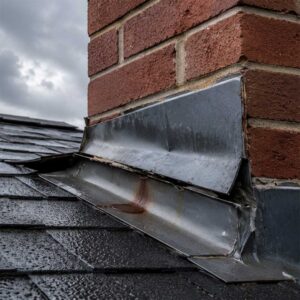
- Worn flashing around chimneys, vents, and skylights
- Gutter and drainage issues
- Water stains on ceilings or walls
- Moisture trapped beneath roofing materials
The frustrating part is that these issues are not always obvious from the ground. A roof may look fine from the driveway but still have vulnerable areas that need attention.
Ice Dams Can Still Be a Spring Concern
Many homeowners think of ice dams as a deep winter problem, but they can happen during spring cold snaps too.
An ice dam forms when snow melts on a warmer part of the roof and then refreezes near the colder edge of the roof. This can prevent water from draining properly. When water backs up, it can push under shingles and create leaks inside the home.
Spring ice dams can be especially sneaky because the weather may warm up quickly afterward. By the time a homeowner notices a ceiling stain or moisture issue, the snow and ice may already be gone.
Older Roofs Are More Vulnerable
If your roof is newer and properly installed, it may handle these conditions without much trouble. But older roofs can be more sensitive to sudden changes in weather.
Common problem signs include:
- Missing shingles
- Cracked or curling shingles
- Granule loss
- Soft spots or sagging areas
- Rust or gaps around flashing
- Clogged or damaged gutters
- Water stains inside the home
- Leaks after snow or rain
If your roof is already near the end of its lifespan, spring weather swings can speed up existing wear. What starts as a small leak or minor shingle issue can become a larger repair if it is ignored.
Gutters and Drainage Matter Too
Your roof and gutters work together to move water away from your home. When snow melts quickly, gutters need to be clear and working properly.
If gutters are clogged, damaged, or pulling away from the roofline, melting snow and rainwater may not drain correctly. This can cause water to back up near the roof edge, spill near the foundation, or collect in areas where it should not.
After a major temperature swing, it is a good idea to check for overflowing gutters, loose downspouts, and areas where water is pooling around the home.
What Denver Homeowners Should Watch For
After a round of freezing temperatures, snow, rain, or a fast warm-up, keep an eye out for signs of roof trouble.
Watch for:
- New water stains on ceilings or walls
- Dripping sounds during or after snowmelt
- Shingles in the yard
- Gutters overflowing or sagging
- Ice buildup near roof edges
- Dark spots on decking or attic areas
- Musty smells near the attic or upper rooms
Even a small sign of moisture should be taken seriously. Roof leaks often start small, but they rarely fix themselves.
Schedule a Roof Inspection Before a Small Issue Gets Worse
Denver’s weather can change fast, and your roof is one of the first parts of your home to feel it. If your roof is older, recently went through heavy snow, or has shown signs of leaking, a professional inspection can help catch issues early.
At Vertical Roofing, we help homeowners identify storm damage, worn roofing materials, drainage issues, and potential leak points before they become bigger problems.
If you are concerned about how recent Denver weather may have affected your roof, our team is here to help.
Contact Vertical Roofing today to schedule a roof inspection and protect your home before the next round of Colorado weather rolls in.